
Blockchain in Gaming & Metaverse:
Own, Trade, Play
We build blockchain-powered games and metaverse platforms where players actually own their items, trade them freely, and earn real value from their time. No wallet friction, no crypto jargon in the UI.
True Digital Ownership
NFT-based assets players control and resell
Play-to-Earn Economics
Token models with built-in anti-inflation sinks
Cross-Platform Interoperability
Carry items and identity across partner games
Community Governance
DAO voting on game features and rule changes
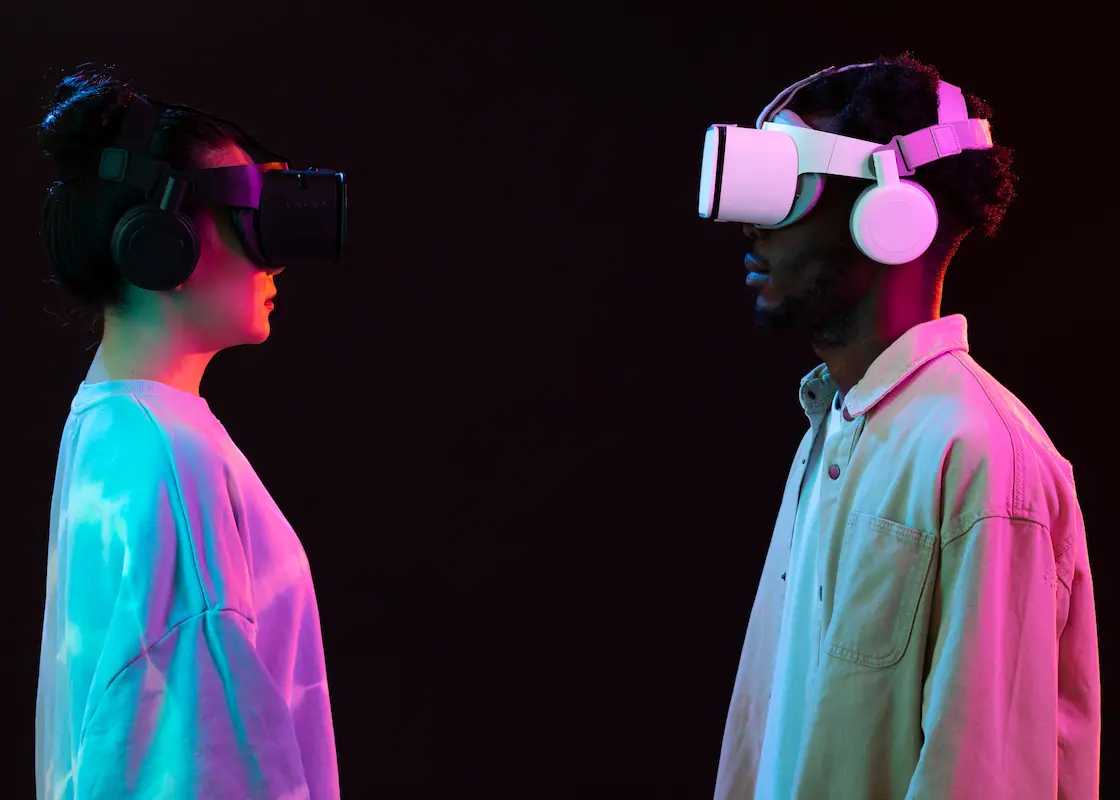
What Is Blockchain Gaming?
Blockchain gaming uses on-chain smart contracts to give players verifiable ownership of in-game items, currencies, and achievements. Instead of storing a sword in a studio's database where it can be deleted or devalued overnight, the item exists as an NFT in the player's wallet. They can sell it, trade it across games, or hold it long after the original title shuts down. Token economies add a layer where time invested translates into earned value, not just progression locked inside one title. The Immutable X platform pioneered gas-free NFT trading for games, while Unity's Web3 services make it possible to integrate blockchain into standard game engines without rebuilding the rendering pipeline. The practical result: players own what they earn, studios unlock new revenue from secondary markets, and the game economy becomes transparent enough that players trust the rules.
Gaming Industry Pain Points
Traditional gaming locks players into walled gardens where they invest time and money but own nothing. These are the design problems blockchain solves.
Lack of True Asset Ownership
A player who spends $500 on skins, weapons, and mounts owns exactly zero of those items under the current EULA model. If the studio shuts down or bans the account, everything vanishes. Gamers spent an estimated $51 billion on in-game items in 2024 alone, yet they have no legal claim to resell, transfer, or even export those assets. That creates a trust deficit that blockchain directly addresses with verifiable on-chain ownership.
Closed Gaming Ecosystems
A legendary sword in Game A is worthless in Game B because each title runs its own proprietary item database. Players cannot carry progress, reputation, or cosmetics between games even within the same publisher's catalog. This fragmentation limits the value of player investment and discourages long-term commitment. Interoperable standards like ERC-721 and ERC-1155 let items exist independently of any single game server.
Limited Monetization Options
Outside of a handful of sanctioned marketplaces like Steam Community Market, players have no legitimate way to sell items they earn or create. Gray-market trading is rampant, unprotected, and often scam-ridden. Content creators who build mods, skins, and maps rarely see royalties. Blockchain-based marketplaces give creators automatic on-chain royalties and give players a safe, regulated secondary market for every in-game item.
Transparency & Trust Issues
Loot box odds, drop rates, and economy-balancing patches happen behind closed doors. Players suspect manipulation but cannot prove it because the data is on the studio's private servers. This fuels outrage cycles and regulatory scrutiny, as seen in Belgium's loot-box ban and the UK's ongoing gambling review. Publishing drop rates and economy rules on-chain gives players verifiable proof and studios legal defensibility.
Centralized Control Risks
Game publishers can change item stats, nerf currencies, or remove features overnight with no recourse for the player base. When a studio shutters or pivots, years of player investment disappear. Server outages wipe progress, and database failures risk permanent loss. Decentralized asset storage and governance mechanisms give players a stake in the rules and continuity insurance for the items they value most.
Web3 Adoption Barriers
Early blockchain games forced players to manage MetaMask wallets, buy gas tokens on exchanges, and sign hex-encoded transactions just to play. That friction killed mainstream adoption. Modern solutions abstract all of this: social login, background wallet creation, gasless transactions on L2 chains, and fiat on-ramps. The player never sees the blockchain unless they choose to, which is how it should work.
Gaming Blockchain That Players Actually Use
Modules for NFT assets, token economies, governance, and frictionless Web3 onboarding
NFT-based in-game assets with verified ownership
Mint items, characters, and land as on-chain NFTs that players own in their wallet. Provenance, rarity, and modification history are verifiable by anyone, and creators earn automatic royalties on every secondary sale.
Token economies and play-to-earn mechanics
We design dual-token models where an inflationary soft currency funds gameplay rewards while a hard governance token captures long-term value. Burn mechanics, crafting sinks, and staking lockups keep the economy healthy past launch.
Cross-platform identity and asset interoperability
Players carry their avatar, reputation, and inventory across partner games using standardized on-chain profiles. A sword earned in an RPG can appear as a cosmetic in a racing game if both titles adopt the shared asset protocol.
Decentralized marketplaces for trading items
Peer-to-peer trading with smart-contract escrow, no intermediary fees, and instant settlement on L2 chains. Sellers set prices or run auctions, buyers pay in game tokens or stablecoins, and creators earn royalties on every resale.
On-chain governance and DAO mechanics for virtual worlds
Players vote on balance patches, map additions, and treasury spending using governance tokens weighted by playtime and contribution, not just wallet size. Proposals execute on-chain when quorum is reached.
Frictionless Web3 integration with familiar UX
Players sign up with email or social login. Wallet creation happens in the background. Gas fees are sponsored by the studio or eliminated via Immutable X. NFT minting feels like picking up a quest reward, not a crypto transaction.
Why Studios Choose Blockchain
Measurable gains in player retention, revenue diversification, and community engagement that blockchain gaming delivers
True Ownership of In-Game Assets
Players hold items in their own wallets. They can sell, gift, or move them to another game without the studio acting as gatekeeper, building deeper investment in the ecosystem.
Get in touchNew Revenue Models for Players & Studios
Secondary marketplace fees, minting revenue, and staking commissions create recurring income streams beyond the initial game sale. Creators earn automatic royalties on every resale.
Get in touchInteroperability Across Games & Metaverses
Shared asset standards let items retain value across partner titles. A player's investment in one game becomes portable capital, increasing willingness to spend.
Get in touchCommunity-Driven Development & Governance
<a href="/dao-development" class="hover:underline">DAO</a> voting on balance patches, content roadmaps, and treasury allocation keeps the community invested. Studios that share control report 2-3x higher retention in Year 2.
Get in touchPersistent Web3 Economies
Persistent economies, user-generated content rights, and verifiable scarcity create virtual worlds that feel real because the rules are public and the stakes are genuine.
Get in touchReduced Transaction Costs & Faster Settlements
L2 chains like Immutable X and Polygon settle trades in seconds for near-zero gas. Studios save 60-75% compared to platform fees on traditional app stores.
Get in touchGaming-Optimized Blockchain Infrastructure
Chains, engines, and protocols selected for high-throughput gaming, low-latency minting, and mainstream player onboarding
Ethereum
Polygon
Immutable X
Solana
IPFS
NFT Standards
Smart Contracts
DAO Frameworks
Unity Engine
Unreal Engine
Metaplex
Chainlink VRF
Gaming Ecosystem Partners
Blockchain gaming modules built for each stakeholder's specific needs, from AAA studios to solo creators
Game Studios
Mid-size and AAA studios adding blockchain to existing titles or building Web3-native games from scratch. We handle the on-chain layer so your team stays focused on gameplay and art.
Indie Developers
Small teams that want NFT items and token economies without hiring a blockchain squad. Our SDK and pre-built contracts get you from prototype to testnet in two weeks flat.
Metaverse Platforms
Virtual world builders who need persistent land ownership, rental income distribution, and a user-generated content marketplace where creators earn automatic royalties.
NFT Marketplaces
Marketplace operators that want gaming-native features: item previews inside game clients, rarity verification, and instant settlement on L2 chains without gas spikes.
Web3 Gaming Startups
Pre-seed and seed-stage teams building tokenomics models and pitching investors. We help with whitepaper economics, smart contract architecture, and the MVP that proves the concept.
Digital Asset Creators
Artists, 3D modelers, and musicians who create game content and want on-chain royalties on every resale. We build the minting pipeline and marketplace integration so creators focus on their craft.
Gaming & Metaverse Reads
Technical guides on tokenomics design, NFT integration patterns, anti-cheat in Web3, and the game design lessons from the first wave of blockchain gaming.

Build Games Where Players Own the Loot
Studios using our blockchain stack ship Web3 features without forcing wallets or gas fees on players. Tell us about your game and we will show you what on-chain ownership looks like in your genre.
Success Stories & Implementations
Deployed blockchain gaming systems with real player adoption and measurable economy health metrics
MetaRealm RPG
NFT character and equipment system for a multiplayer RPG. Players mint, upgrade, and trade gear on an in-game marketplace. Cross-game transfers let items appear in two partner titles.
AvatarVerse Economy
Cross-game avatar system with modular NFT components. Players mix and match cosmetics across ten partner games, and creators earn 5% royalties on every secondary sale automatically.
CommunityDAO World
DAO governance for a virtual land platform. 15,000 token holders vote on zoning, event budgets, and development priorities. Proposals that pass quorum execute on-chain within 24 hours.
PlayEarn Arena
Tournament platform where entry fees pool into a smart contract and prizes distribute automatically based on final standings. No manual payout processing, no custody risk.
BlockCraft Marketplace
Decentralized marketplace for in-game items running on Immutable X. Zero gas fees, instant trades, and a review system backed by on-chain transaction history instead of self-reported ratings.
VirtualLand Genesis
Metaverse land ownership with verifiable building rights, rental income distributed monthly via smart contract, and governance voting on community events and infrastructure development.
Blockchain Gaming & Metaverse Development FAQ
Common questions about building blockchain games, play-to-earn mechanics, NFT integration, and metaverse platform development.
Ready to Build Your Blockchain Game?
We help game studios and startups ship blockchain-powered games that players want to keep coming back to. Tell us about your project and get a free technical consultation.