
Decentralized Autonomous
Organization Development
We build DAO governance systems that work — voting mechanisms, treasury management, proposal execution, and token economics. 20+ DAOs deployed, 100K+ members governed, $50M+ in assets managed through our smart contracts.
What is a Decentralized Autonomous Organization?
A Decentralized Autonomous Organization (DAO) is a blockchain-based entity governed by smart contracts and token holder votes instead of executives and boards. Members submit proposals, the community votes using governance tokens, and smart contracts execute approved decisions automatically — no intermediary can block or override the result. DAOs now manage over $25 billion in collective treasury assets across DeFi protocols, investment funds, grant programs, and creative communities. We build the full governance stack: custom OpenZeppelin Governor contracts with configurable voting parameters (token-weighted, quadratic, conviction voting), multi-signature treasury management via Gnosis Safe, proposal systems with timelock execution, and delegation mechanisms that let passive holders assign their voting power. We integrate with Snapshot for gas-free off-chain voting and Tally for on-chain governance dashboards.
Smart Contract Governance
Governance rules live on-chain as immutable contract code. Voting results trigger execution calls automatically — approved proposals run without manual intervention, trusted middlemen, or anyone's permission to proceed.
Token-Based Voting
Governance tokens represent voting power proportional to stake. Holders vote directly on proposals or delegate to representatives, with configurable models like quadratic and conviction voting.
Treasury Management
Collective funds sit in Gnosis Safe multi-sig wallets requiring multiple signer approvals. Every spend goes through a proposal vote, and all transactions are publicly auditable on-chain.
Proposal System
Members draft proposals, the community discusses during a review window, token holders vote during a defined period, and approved actions execute automatically after a timelock delay.
Multi-Signature Security
Critical operations require approval from a configurable threshold of signers — typically 3-of-5 or 4-of-7 — so no single key holder can move funds or change governance parameters alone.
Global Participation
Anyone with a wallet and governance tokens can propose, vote, and delegate — no KYC gates, no geographic restrictions, no office hours. Participation is permissionless and borderless.
What We Build for DAOs
From governance design to treasury management, we handle every layer of DAO development
Governance Framework
We design governance structures around your community's decision-making needs: voting mechanisms (token-weighted, quadratic, conviction), proposal workflows, delegation models, and quorum thresholds. Built on OpenZeppelin Governor or Aragon OSx depending on your requirements.
Smart Contract Development
We write and audit the Solidity contracts that run your DAO: Governor logic, timelock controllers, treasury vaults, and proposal execution hooks. Every contract gets static analysis, unit tests with full branch coverage, and a third-party <a href="/security-audits" class="hover:underline">security audit</a> before deployment.
Treasury Management
We set up Gnosis Safe multi-sig wallets with spending proposal workflows, automated payment streams for recurring expenses, budget allocation votes, and real-time financial dashboards. Every outgoing transaction requires community approval through on-chain governance.
Token Economics Design
We model token supply, distribution curves, vesting schedules, and staking incentives before writing a single line of code. The goal is a tokenomics structure where governance participation is rewarded and long-term alignment beats short-term speculation.
DAO Interface Development
We build the frontend your members actually use: proposal creation forms, voting interfaces with real-time tallies, delegation dashboards, treasury overviews, and member profiles. Integrated with Snapshot for off-chain polls and Tally for on-chain governance tracking.
Community & Growth
We help you onboard the first 100 members and build the habits that sustain participation — contributor guides, bounty programs, governance call cadences, and engagement analytics that show which members are active and where participation drops off.
How We Build DAOs — Step by Step
From initial governance design to a live, self-governing organization. Here is what each phase looks like
Governance Architecture & Strategy
We map your community's decision-making needs, define voting models (token-weighted, quadratic, or conviction), set quorum thresholds, and draft the constitutional framework that balances democratic participation with operational speed.

Alexander Chen
DAO Governance Architect
Good DAO governance goes beyond voting mechanics. We design decision-making systems that scale with your community, give every stakeholder a voice, and still keep operations moving.
Smart Contract Development
We write Governor contracts, timelock controllers, treasury vaults, and proposal execution hooks in Solidity. Each contract is gas-optimized, tested with full branch coverage, and reviewed through static analysis before the external audit phase begins.

Maria Rodriguez
Lead Smart Contract Developer
DAO smart contracts must be bulletproof because they handle community decisions and treasuries. We write code that's not just functional, but mathematically proven secure through formal verification.
User Interface & Experience Design
We build governance interfaces where members can create proposals, cast votes, delegate voting power, and track treasury balances — all without needing to understand the underlying contracts. Clarity and low friction drive participation rates.

David Kim
DAO UX/UI Specialist
Complex governance shouldn't feel complex to users. We design interfaces that make DAO operations feel straightforward, so members actually show up and vote.
Testing & Security Validation
We simulate governance scenarios end to end — proposal creation, voting periods, quorum edge cases, timelock execution, treasury withdrawals, and adversarial attacks like flash-loan governance exploits. Mandatory third-party audit before any mainnet deployment.
Sarah Thompson
Blockchain Security Auditor
DAO security extends beyond smart contracts to governance mechanisms and community processes. We test every possible scenario to ensure your organization can operate safely at scale.
Blockchain Technologies for DAOs
The platforms, frameworks, and tooling we use to build production DAO systems
Ethereum
Blockchain Platform
Solidity
Smart Contract Language
OpenZeppelin
Security Framework
Hardhat
Development Environment
IPFS
Decentralized Storage
The Graph
Data Indexing
Aragon
DAO Framework
Snapshot
Voting System
Gnosis Safe
Multi-Signature Wallet
Chainlink
Oracle Network
Compound
DeFi Protocol
Uniswap
DEX Protocol
DAO Projects
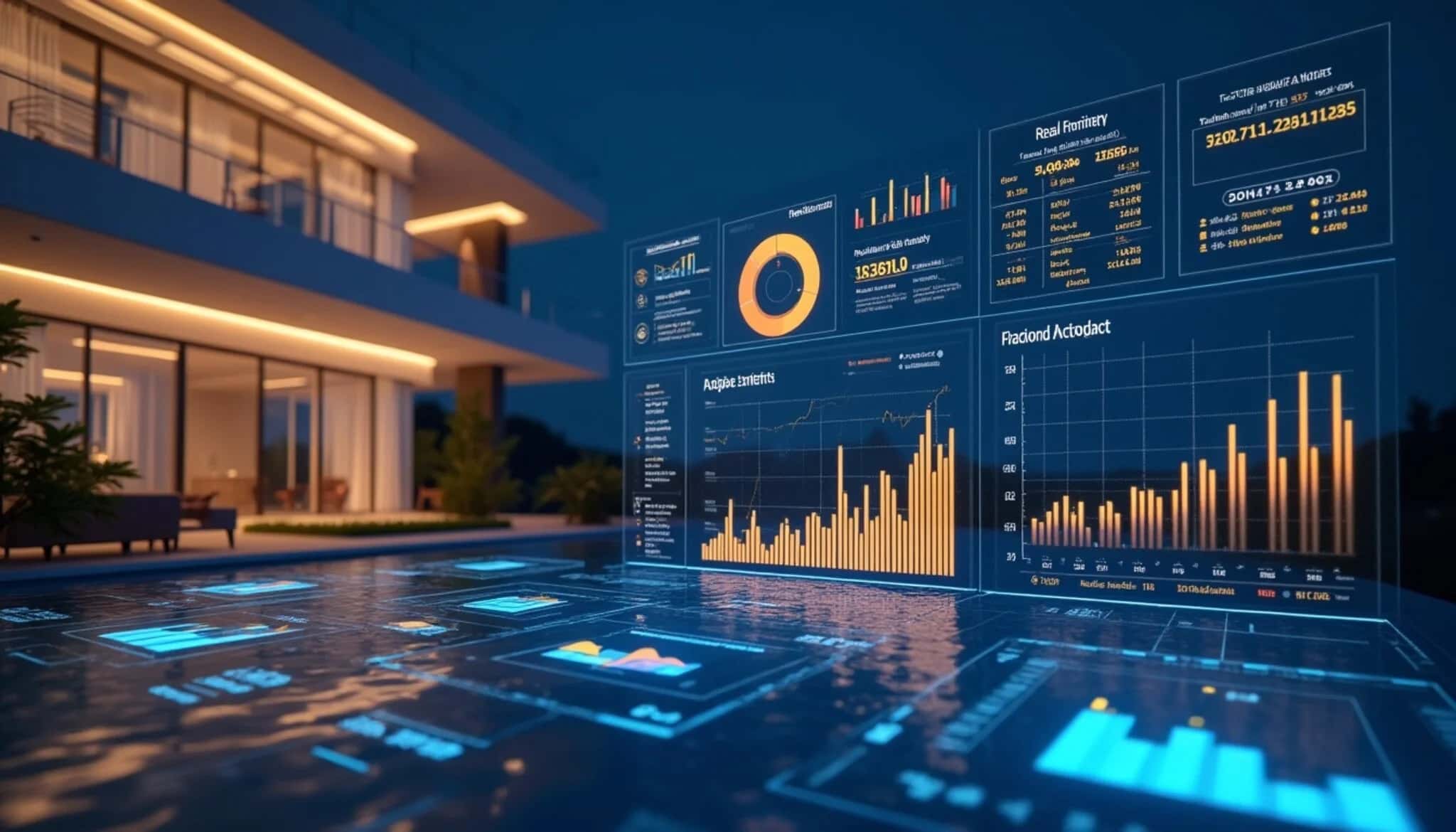
Governance solutions we have delivered for communities across finance, gaming, and social ecosystems. Each project includes measurable outcomes — member growth, treasury performance, and governance participation rates.



Start Your DAO Development Project
20+ DAOs built, $50M+ in assets under governance. Book a free consultation and we will design a governance architecture that fits your community: voting model, treasury structure, and token economics.
DAO Applications Across Industries
DAOs are changing how organizations govern themselves and allocate resources — here are the sectors where we see the most traction
DeFi Protocols
DeFi protocols like Uniswap and Aave use DAOs to vote on fee tiers, liquidity incentives, protocol upgrades, and risk parameters. Token holders directly shape the financial product — no board meetings, no gatekeepers.
Investment DAOs
Venture DAOs pool capital from dozens or hundreds of members, vote on deal flow, conduct due diligence collectively, and distribute returns proportionally. Examples include The LAO and MetaCartel Ventures — groups writing checks through governance votes.
Creator DAOs
Musicians, visual artists, and writers form DAOs to co-own intellectual property, split royalties automatically through smart contracts, fund new projects via treasury votes, and give fans governance rights over creative direction.
Gaming DAOs
Gaming guilds like Yield Guild Games use DAOs to manage in-game asset treasuries, vote on which games to enter, organize tournaments, and balance virtual economies. Players have direct say in the rules that affect their gameplay.
Social DAOs
Membership-based communities like Friends With Benefits use token-gated access and governance votes to set community guidelines, plan events, allocate budgets, and decide who gets funded. Social DAOs turn online groups into self-governing entities.
Service DAOs
Developer collectives and consulting cooperatives run as DAOs — members vote on project allocation, compensation rates, and new member admission. Examples include Raid Guild and LexDAO, where freelancers coordinate through governance instead of managers.
DAO Development Reads
Our writing on DAO architecture, governance mechanisms, token economics, smart contract patterns, and what we are seeing across the decentralized governance space.

DAO Development FAQ
Practical questions about DAO development — governance models, costs, timelines, and security
Let's Build Your DAO
Tell us about your community, governance needs, and treasury requirements. We will put together a technical proposal covering architecture, voting model, timeline, and cost estimate. Free consultation.